
Neck Pain- Physical Therapy Can Help
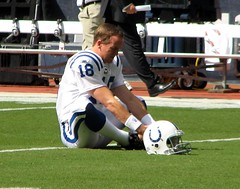 Neck pain is all too common, and it’s really no surprise why. Just look at what the neck does. It rotates, bends, twists, and turns in all kinds of directions enabling us to move with coordination and skill. But with more moving parts comes an increased risk of injury. Necks are vulnerable to overuse, whiplash, and postural type injuries. But they don’t have to be. Physical therapy is a proven treatment strategy to help those dealing with acute or chronic neck pain.
As a series of bones with multiple joints, and movement patterns, our necks are subjected to repetitive postural trauma. Habitual postures and movement patterns can put stress on certain joints in the neck. How we sit, sleep, and drive can all lead to chronic tightness, weakness, and mobility issues.
 The good news is that a healthy neck can be just a physical therapy visit away. A little knowledge and a good strategy can go a long way to avoiding long term neck problems and even surgery. Physical therapists are experts in human movement and are skilled evaluators. Physical therapists can tell you “why” your neck hurts, and provide you the tools needed to prevent serious neck problems.
So if you get occasional neck pain, a headaches, or “cricks” in your neck, call us to schedule an physical therapy evaluation today. Let us show you how to feel better.
For more specific neck pain information read this article from the American Physical Therapy Association or contact our office.
By: Rich Baudry, PT, DPT, OCS
Photo 1: The Brit_2
Photo 2: Menage A Moi
Related articles
- Physical Therapy for Neck Pain (everydayhealth.com)
 Too much of a good thing might not be great. Many of you have taken the challenge to get in better shape, compete in a sport or competition, or reach for personal fitness goals. We applaud you for your effort and think it is great! We encourage our clients daily to reach for their goals. Unfortunately, some find injury and setbacks due to